Demurrage Fees Explained: How Shippers Avoid Costly Port Delays
April 20, 2026 - Last Update April 20, 2026 - By : Derby Logistics
Demurrage Fees Explained: How Shippers Avoid Costly Port Delays
A container arrives on time. The vessel berths. The freight is finally where it needs to be. On paper, the shipment looks successful.Then pickup slips by a day. Then another.Now the container is still sitting inside the terminal, and daily charges begin to build. That is how demurrage fees start eating into margins, even when the ocean move itself went as planned.At Derby Logistics, we look at demurrage as a timing and coordination problem. It is not just a port problem. It is what happens when customs clearance, release timing, drayage scheduling, warehouse readiness, and local execution do not line up tightly enough.If you move import or export freight through a busy port, understanding demurrage is part of protecting cost, delivery performance, and customer relationships.
Key Takeaways
Demurrage fees start when containers sit too long at the terminal. Once free time expires, daily charges begin, even if the shipment arrived on schedule.
Small delays can turn into major cost fast. Missed pickups, customs issues, paperwork errors, or poor coordination can trigger fees that escalate quickly across multiple containers.
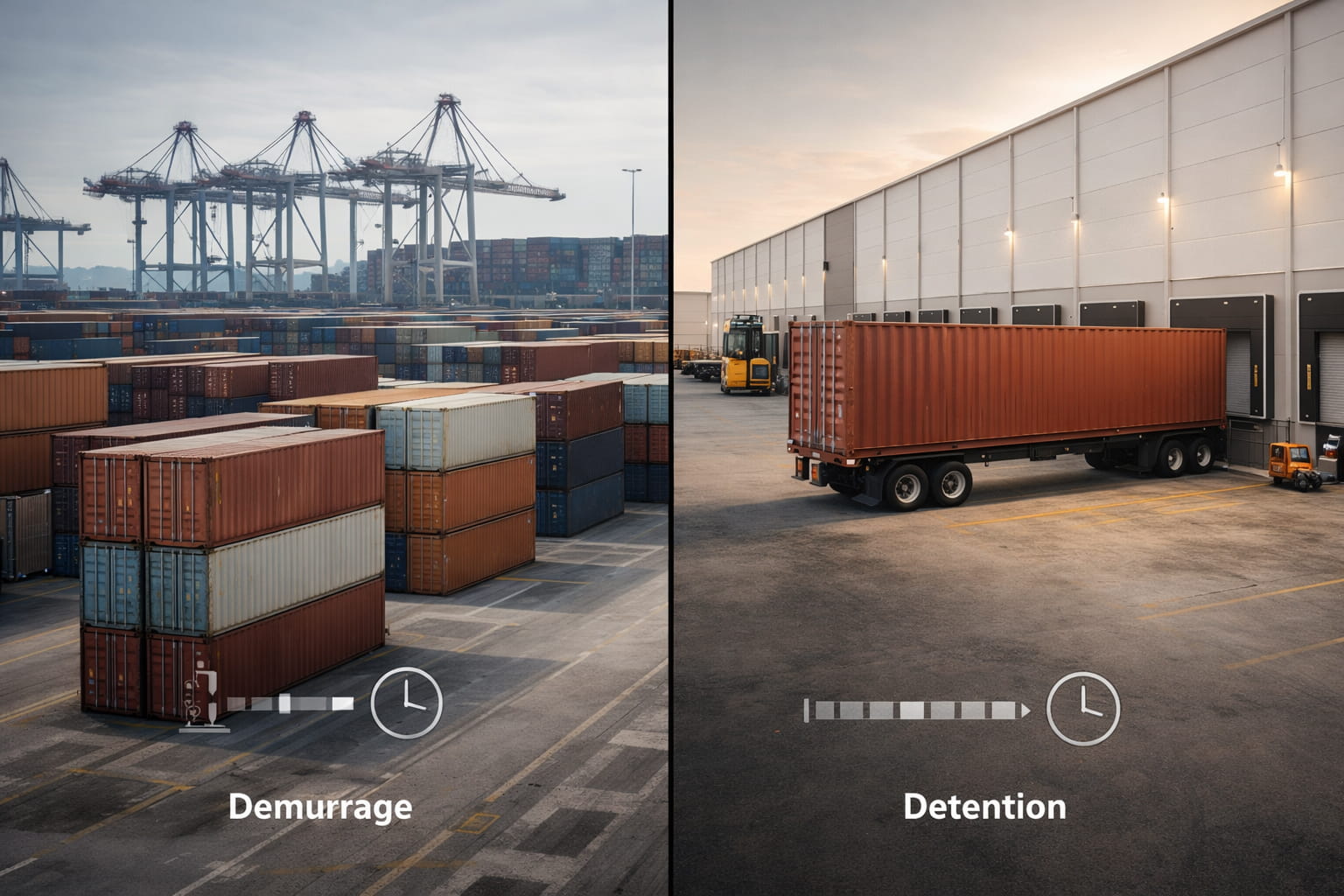
Demurrage and detention are not the same. Demurrage applies while the full container is still inside the terminal. Detention applies after pickup when equipment is returned late.
Most demurrage costs are preventable with better planning. Early drayage booking, accurate documents, real-time tracking, and warehouse readiness all help reduce terminal dwell time.
Local execution plays a major role in avoiding charges. Strong drayage coordination and port-level knowledge help keep containers moving and protect margins, schedules, and customer relationships.
What Is a Demurrage Fee?
A demurrage fee is a charge applied when a full container remains at a port or terminal longer than the allowed free time.Free time is the grace period that the carrier or terminal gives you to clear, pick up, and move the container without penalty. In most cases, that window is short, often between 2 and 7 days.After that period expires, daily fees begin.The purpose is simple: ports need containers to keep moving. Terminals cannot function as long-term storage yards. Demurrage is meant to discourage containers from sitting too long and adding congestion.One important point that many shippers miss: demurrage often applies regardless of fault. If the delay comes from customs, weather, labor issues, or a missed pickup, the charges can still accrue.
How Port Demurrage Works in Real Operations
In real shipping operations, the sequence usually looks like this:
The container is discharged from the vessel.
The free time clock starts.
The container waits for customs clearance, release, and pickup.
If it stays in the terminal after free time, demurrage fees begin.
This is why port demurrage is tied specifically to terminal dwell time. The container is still inside the port or terminal environment. Ocean carriers, terminal operators, and customs processes all affect how quickly it can move.If you want to understand terminal activity and operating conditions more closely, it helps to review thePort of Houston operations pages, especially if your freight moves through Houston-area terminals.
How Much Do Demurrage Fees Cost?
Demurrage charges vary by carrier, terminal, and contract, but a common range is $75 to $300 or more per container per day.The math is simple:daily rate × number of days past free time = total demurrageBut the impact is not simple at all.A single container that sits 10 extra days at $150 per day creates $1,500 in charges. Multiply that across multiple containers, and the cost becomes a real budget problem very quickly.Most fee schedules also escalate. The first few late days may be costly, but later days often become much more expensive. That is why waiting to “sort it out next week” is one of the worst things a supply chain team can do.
Common Causes of Container Demurrage
Some demurrage causes are avoidable. Others are not.
Avoidable Causes
Missing or incorrect documentation
Delayed customs clearance due to paperwork errors
Poor communication between broker, carrier, trucker, and consignee
Late trucking or drayage scheduling
Payment or release delays
Unavoidable Causes
Port congestion
Labor shortages or strikes
Severe weather
Random customs inspections
The challenge is that even unavoidable causes can still trigger charges. That is why experienced teams build buffer time, backup carriers, and local response plans into their port strategy.
Demurrage vs. Detention: What’s the Difference?
This is one of the most common questions in container shipping.Here is the simplest version:
Demurrage = full container stays too long inside the terminal
Detention = container stays too long outside the terminal after pickup
Think of it as a timeline:Port → Pickup → Unload/ReturnDemurrage applies before gate-out. Detention applies after gate-out if the container or equipment is returned late.In some cases, shippers can be exposed to both. If pickup is delayed and empty return is also delayed, one slow shipment can create multiple layers of charges.For broader policy context, theFederal Maritime Commission’s guidance on demurrage and detention is worth reviewing.
Who Pays Demurrage Fees?
Usually, the party responsible for the cargo—often the importer or exporter listed on the bill of lading—pays the demurrage.But there are exceptions.Responsibility can shift if:
contract terms say otherwise
a freight forwarder caused the delay
a logistics provider failed to perform a required action
Incoterms assign control and cost differently than expected
This is why contract review matters. It is also why teams should confirm responsibility before the shipment arrives, not after charges appear.Operationally, another issue matters: payment often must be settled before the container is released. That means demurrage does not just add cost. It can also delay the next step in the supply chain.
Why Demurrage Fees Are So Expensive
Demurrage fees are expensive because they are designed to change behavior.Ports have limited yard space. Carriers need containers to rotate back into service. Terminals need containers out so new cargo can move in. When freight sits too long, the whole system slows down.That is why demurrage acts as both:
compensation for occupied space
a penalty that encourages faster movement
The result is a ripple effect:
delayed pickups
missed warehouse appointments
added trucking cost
strained relationships with customers and carriers
In extreme cases, demurrage and related accessorial charges can become so high that they distort the economics of the shipment itself.
How to Avoid Demurrage Fees
Avoiding container demurrage starts before the container arrives.
Plan Before the Container Arrives
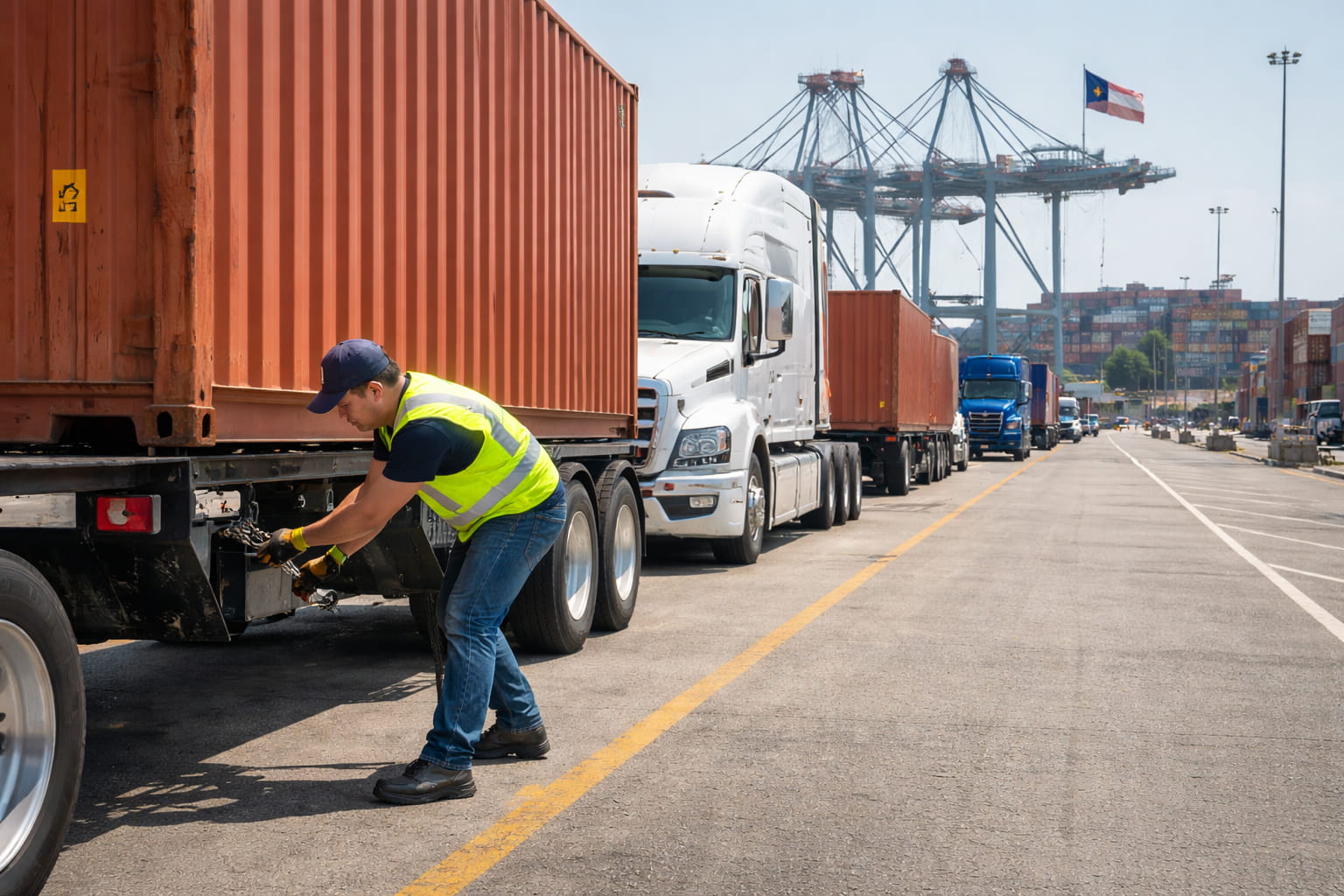
Pre-book drayage, align labor, and make sure your receiving site can actually take the load. If your pickup plan starts after discharge, you are already behind.For local moves, Derby supports this throughcontainer drayage services.
Get Documentation Right the First Time
Make sure the bill of lading, customs entries, release instructions, and supporting paperwork are accurate and ready. Documentation mistakes are one of the most preventable causes of delay.
Improve Supply Chain Visibility
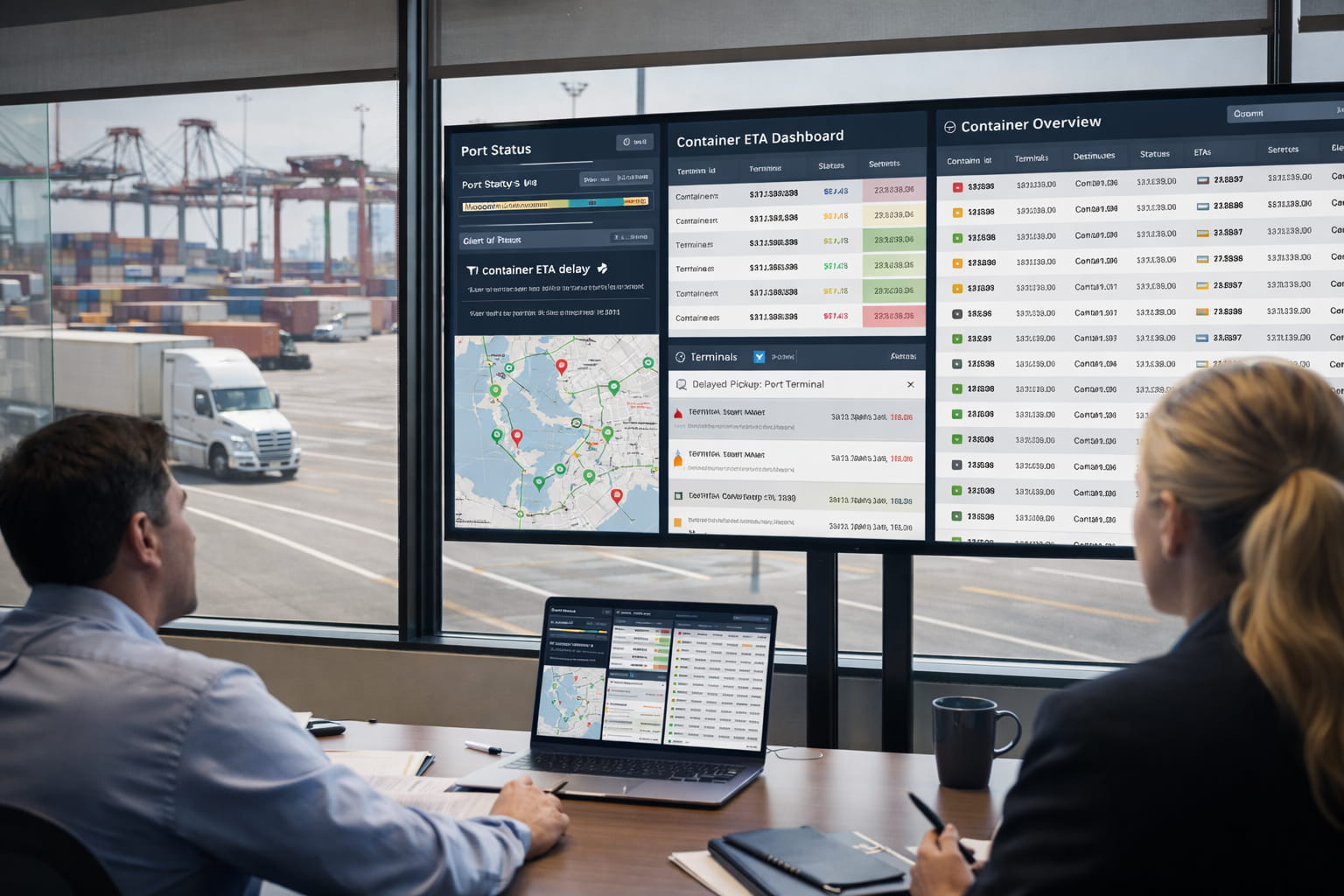
Track ETA shifts, customs milestones, and terminal status in real time. The earlier you spot a delay, the more options you have.
Secure Capacity Early
Book trucking and chassis before the free time window gets tight. During heavy volume periods, this becomes even more important. Derby’speak season logistics article explains why port and inland capacity tighten together.
Understand Free Time and Negotiate It
Do not treat free time as a footnote. Review it during booking. In some cases, you can negotiate additional days or better terms.
Use Off-Dock Storage or Transloading
If your warehouse is not ready, move the container out of the terminal and reposition freight to a more flexible location. That often lowers risk and protects terminal dwell time.
The Role of Drayage and Local Expertise
Local execution matters more than many teams realize.An experienced drayage partner helps with:
faster port pickups
appointment management
familiarity with terminal rules
local knowledge of congestion patterns
better coordination between port and warehouse
At Derby Logistics, this is where we create value. We focus on reducing dwell time and keeping freight moving, not just arranging a truck. That local discipline matters because demurrage is rarely caused by one big mistake. It is usually caused by a few small delays that stack up.
Demurrage Is a Controllable Cost
Demurrage fees can feel unpredictable, but they are not random. They come from timing gaps, planning gaps, and execution gaps.That means they are often controllable.Strong supply chain teams do not wait for the port to become a problem. They review free time in advance, tighten documentation, line up drayage early, and build backup plans for congestion or peak-season pressure.That kind of proactive logistics is not just risk reduction. It is a competitive advantage.And that is exactly how Derby Logistics approaches port execution: keep containers moving, keep costs visible, and keep your supply chain predictable.